Before We Forget How to Connect, due to AI
Reflections on my Outsourcing Intimacy talk on AI, awkwardness, inconvenience ... and the human skills we need most
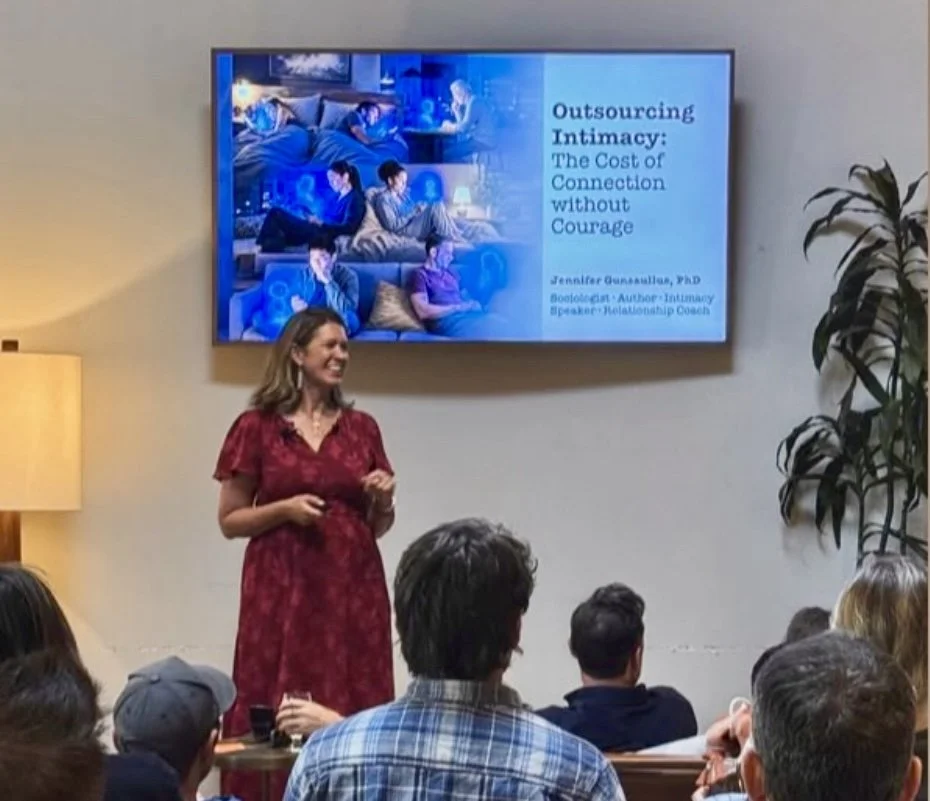
A few weeks ago, I spoke as part of a new speaking series in San Diego called Big Idea Night. Nathan Young, a longtime community event organizer and friend, started the series to help people learn, connect, and grow together…in person.
Which was particularly perfect for the topic of my talk: how tech and AI over the past 30 years have increasingly eroded our ability to connect meaningfully, in person, with other humans. And how interactions with AI chatbots, which more and more Americans are trying, especially teens and young adults, can feel safer, easier, more efficient, and more rewarding than interactions with parents, friends, significant others, or therapists.
The doors opened at 6pm, and my talk started at 7pm. Nathan and I were delighted to see how many people came early to Bivouac Adventure Lodge and Ciderworks to eat, drink, talk with others (friends and strangers), and answer the two questions I posed on flipchart sheets (see photos below). Because while I like to think my talk was the main point of the night, the real main points were making new friends, challenging ourselves to be “better” people to ourselves, each other, and our world, and having vulnerable conversations in person with others.
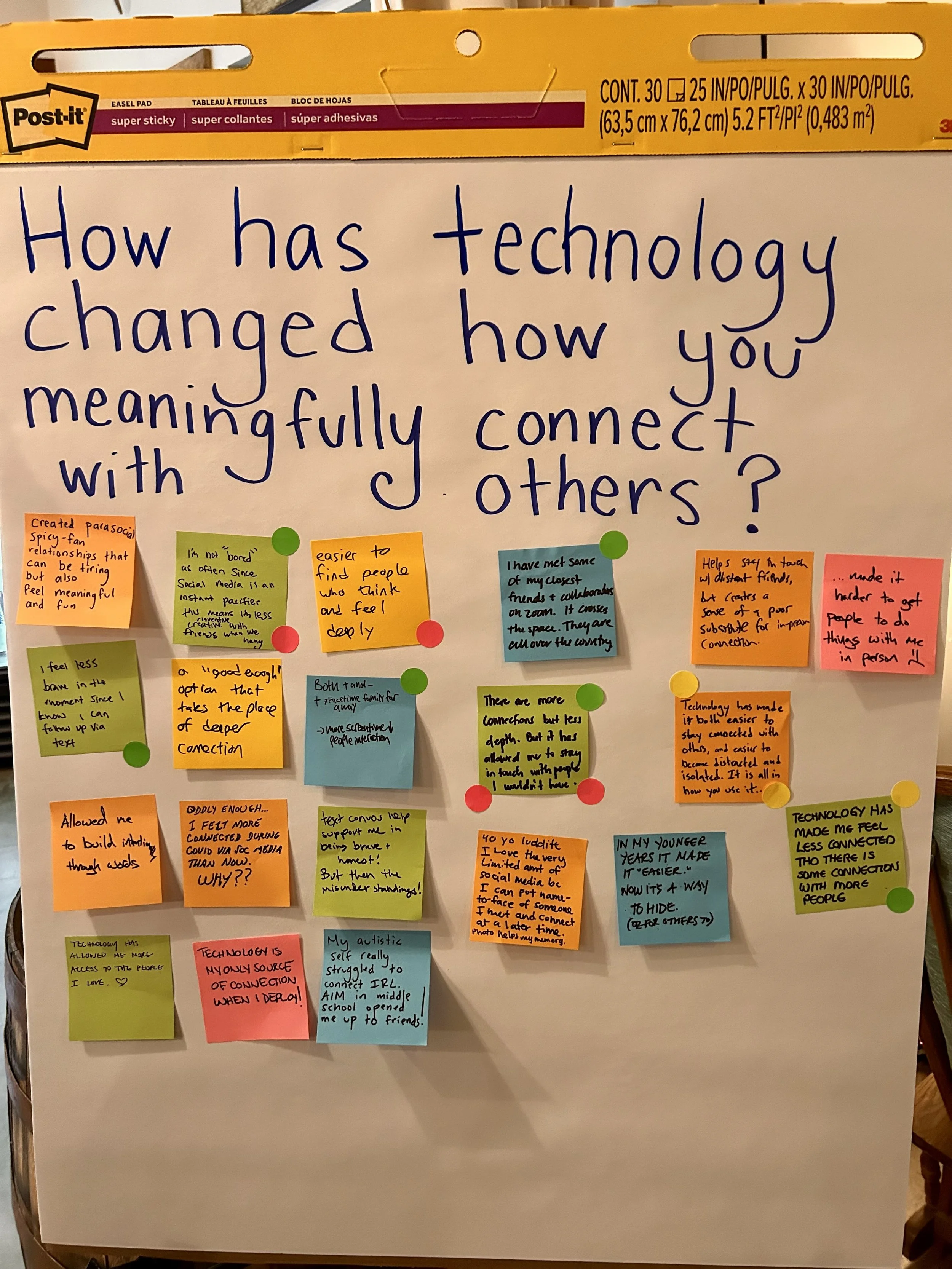
Which is exactly the kind of human connection AI chatbots (and more) may quietly start to replace if we are not paying attention.
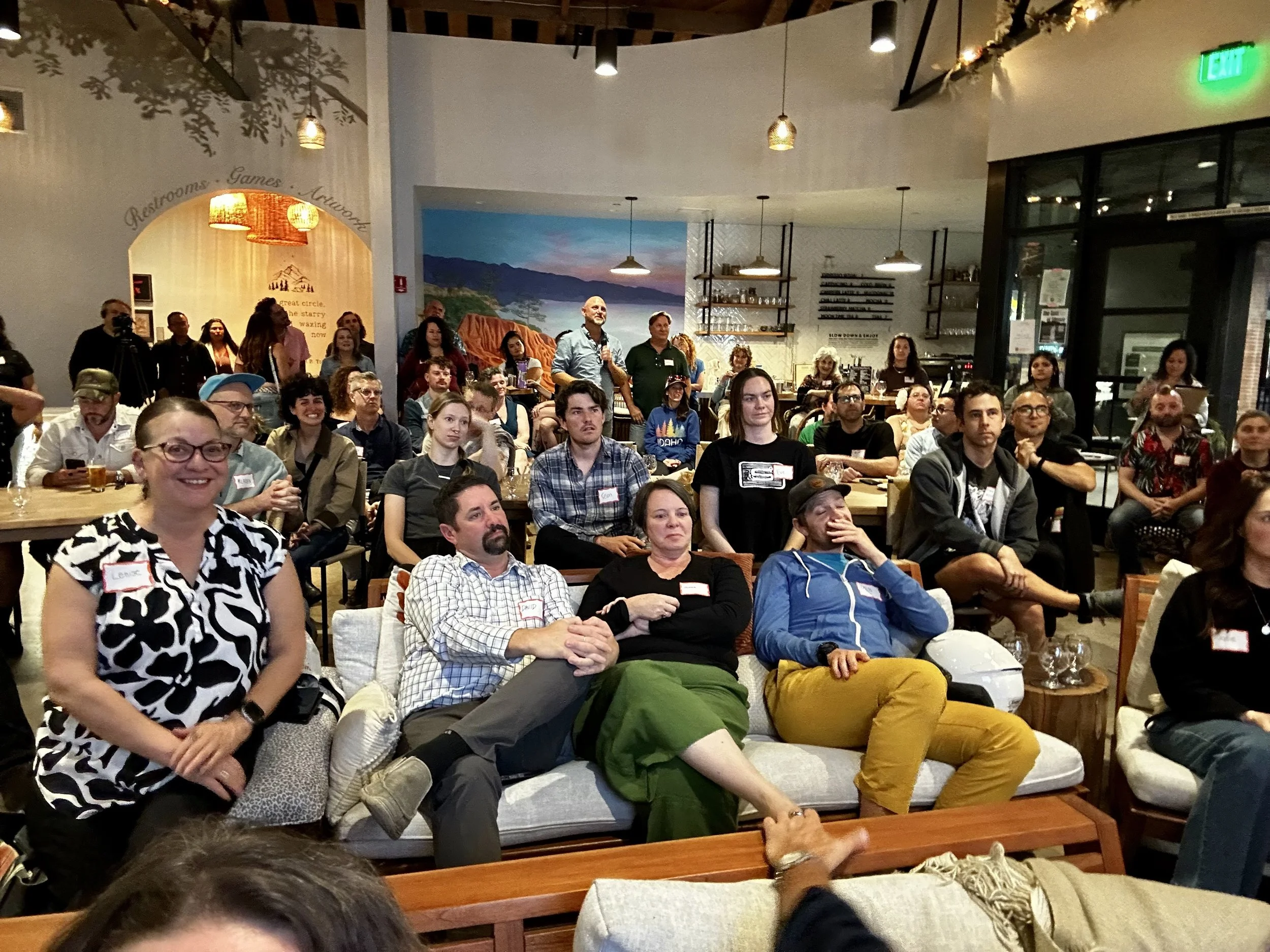
But 75 folks in San Diego already want something different for themselves.
And I found that genuinely moving, because the whole night required people to do something that isn’t that simple anymore: show up in person, talk to people they may not know, and be willing to feel a little awkward, curious, or exposed.
We seem to have a shrinking tolerance for emotional discomfort. And so much of meaningful human connection evokes at least some discomfort. Starting a conversation with someone we don’t know. Asking a real question instead of making polite small talk. Sitting through an awkward pause. Saying, “I feel hurt,” instead of pretending we’re fine. Apologizing without defending ourselves. Listening without immediately fixing, correcting, or making it about us. Asking for what we want. Hearing no. Saying no. Being vulnerable about desire, loneliness, insecurity, disappointment, our needs, or our bodies.
Clearly, I could go on.
These moments are easier and easier to avoid in today’s world, but they are often exactly where intimacy is built.
The title of my talk was Outsourcing Intimacy: The Cost of Connection Without Courage. By outsourcing intimacy, I mean the growing cultural shift in which technology increasingly provides the soothing, validation, stimulation, companionship, and connection that intimacy used to require from other human beings, in real time, with all of the beauty and messiness that comes with that. I mostly focused on mental and emotional intimacy, but also spoke about some of the ways folks are outsourcing sexual intimacy, including the growing number of paths toward more frictionless sex.
The issue is not that AI is bad, per se; the issue is that every time we choose a frictionless substitute, we may be avoiding the very friction that helps us grow.
The danger in this shift is that human companionship, let alone deeper human relationships, requires skills in compassion, resilience, negotiation, listening, curiosity, compromise, and teamwork. Interactions with AI chatbots do not require these same skills. They feel responsive, supportive, accepting, and emotionally attuned, but they do not ask us to tolerate another person’s needs, moods, limits, misunderstandings, or disappointments. They don’t require repair after rupture.
This means that all these important human skills could deteriorate over time, or never develop in the first place. And without these skills, we will miss out on one of the things that makes humans most happy and fulfilled: the depth and warmth in our closest relationships.
As Sherry Turkle, a leading sociologist of technology and human connection, wrote in Alone Together, “Digital connections and the sociable robot may offer the illusion of companionship without the demands of friendship. Our networked life allows us to hide from each other, even as we are tethered to each other.” She wrote this 15 years ago, and things have only become more complicated since then.
At the end of my talk, I gave a list of suggestions for how we can make sure we don’t lose these important socioemotional skills, and how we can help younger generations start to develop them in the first place. I asked: How can we choose courage over convenience?
Then I broke the audience into small groups, encouraging them to engage with people they didn’t already know. I suggested they choose at least one of these three questions and share their thoughts with their group:
What one thing most resonated with you or was most interesting?
In what ways might you be “outsourcing intimacy”?
Is there any new awareness you want to put into action for yourself?
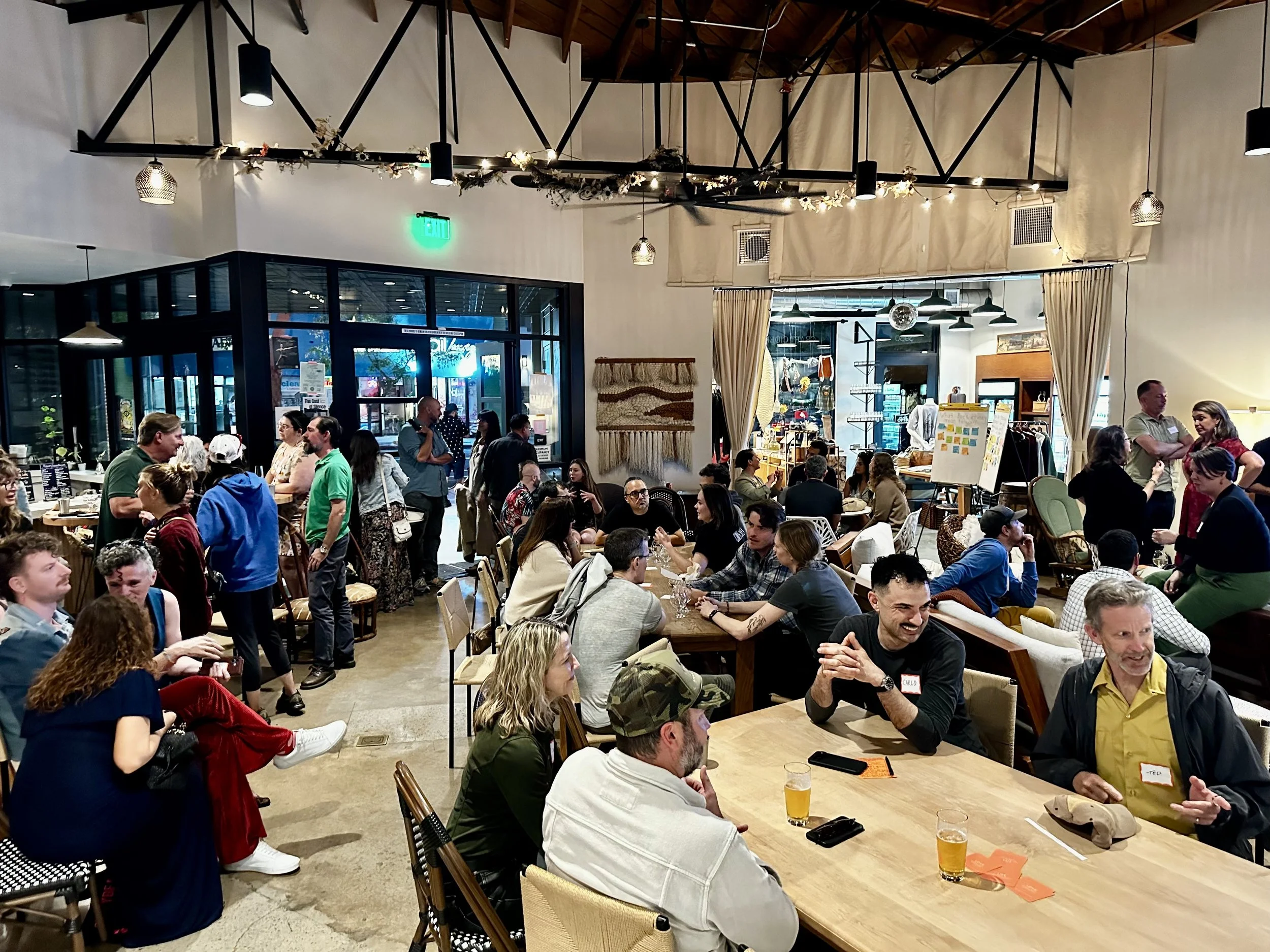
The conversations were lively! And as I mingled, handing out free sample packs of lube (while making the joke that this created the good kind of frictionless sex), I noticed that each group went in very different directions: AI dating apps, when to be vulnerable, the dangers of emotional discomfort, generational differences, other research in the AI realm, and questions about how my boyfriend was feeling about my public reveal that I had tried out some romantic text interactions with AI companions.
(Boyfriend was fine. A bit unsettled, but overall amused!)
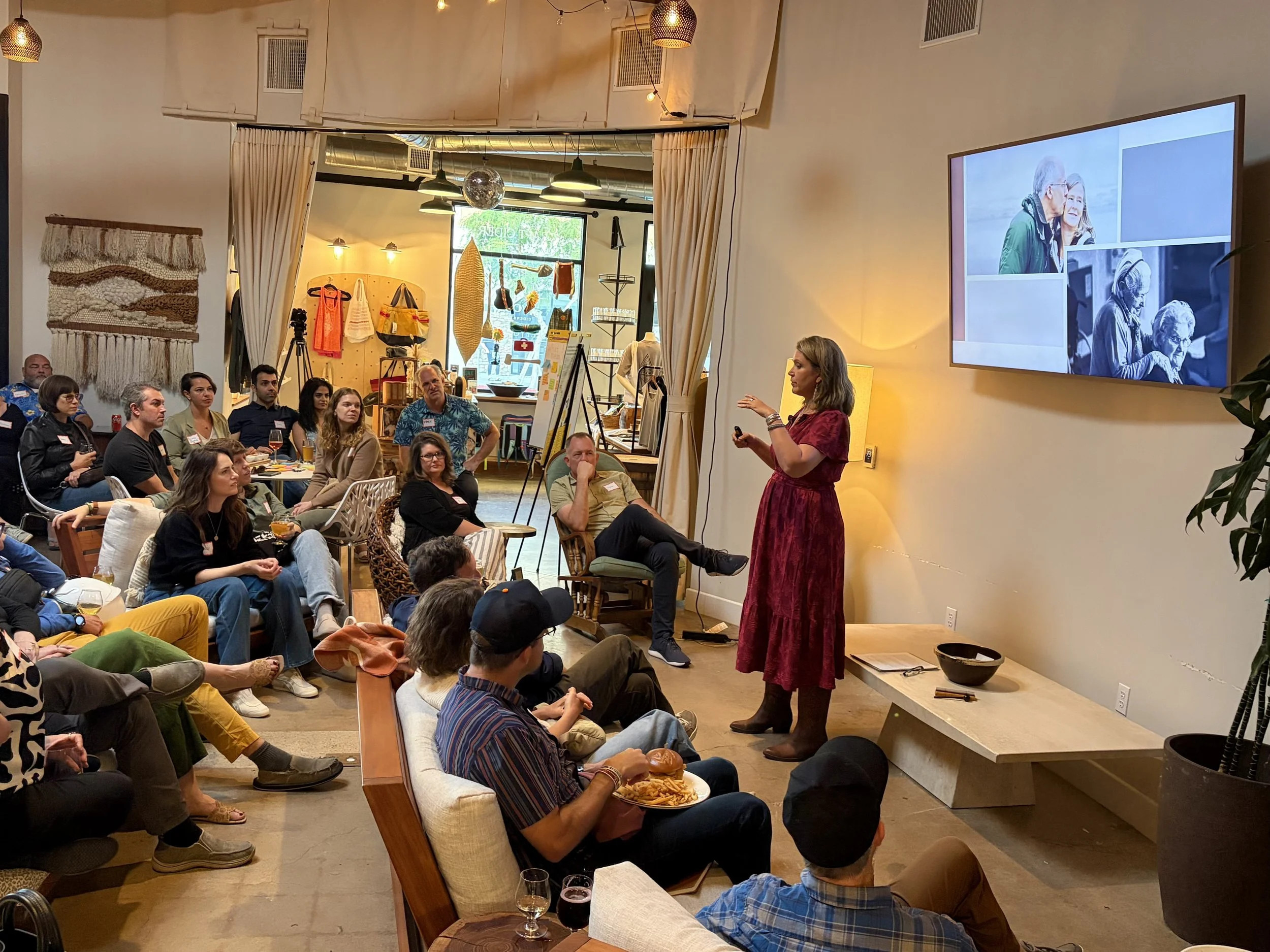
These group interactions were a highlight of the night. People were doing the exact thing I am afraid we are practicing less and less: sitting together in a room, thinking out loud, listening to people we don’t already know and might not agree with, sharing things we don’t usually share, and letting a complicated topic facilitate a real human conversation.
I don’t think we need to reject technology to protect intimacy. But we need to be aware and intentional with our time and connections, and pay attention to when convenience starts replacing courage too much. We have to notice when being soothed becomes easier than being honest, when being validated becomes easier than being challenged, and when connection starts to feel safer (and preferred) without the actual presence of another human being.
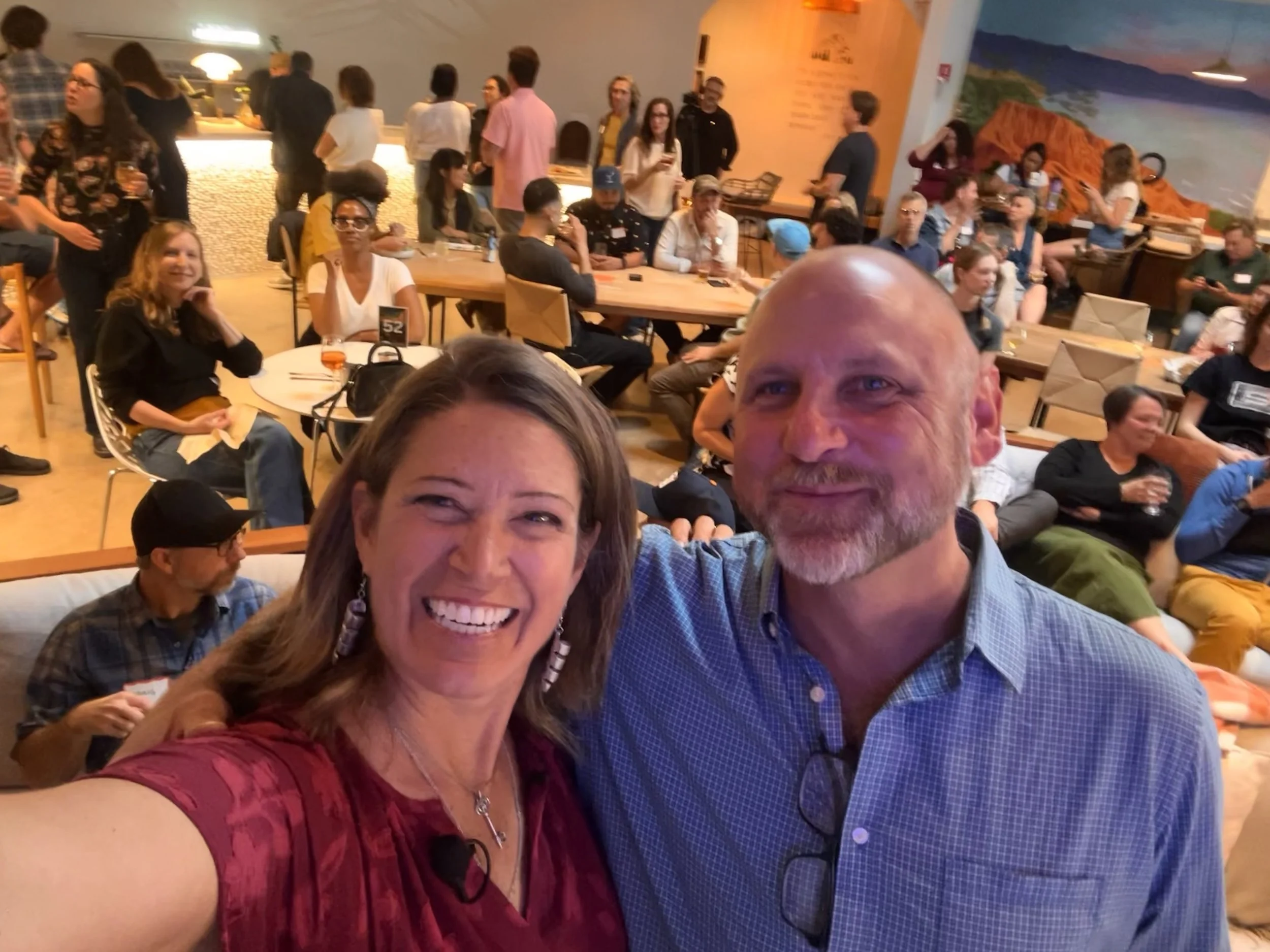
I feel lucky that we have Big Idea Night in San Diego as a space to remember what’s best about humans connecting in person. (See photo above with me and Nathan Young.)
Giving this talk and interacting with the participants helped me realize that my work is not anti-tech. It is pro-human: helping people practice the skills that make real connection possible.
I am helping people choose courage over convenience, again and again, before we forget how to connect.